From Boring to Bold: Why Your Phone Deserves a Stylish Back Cover
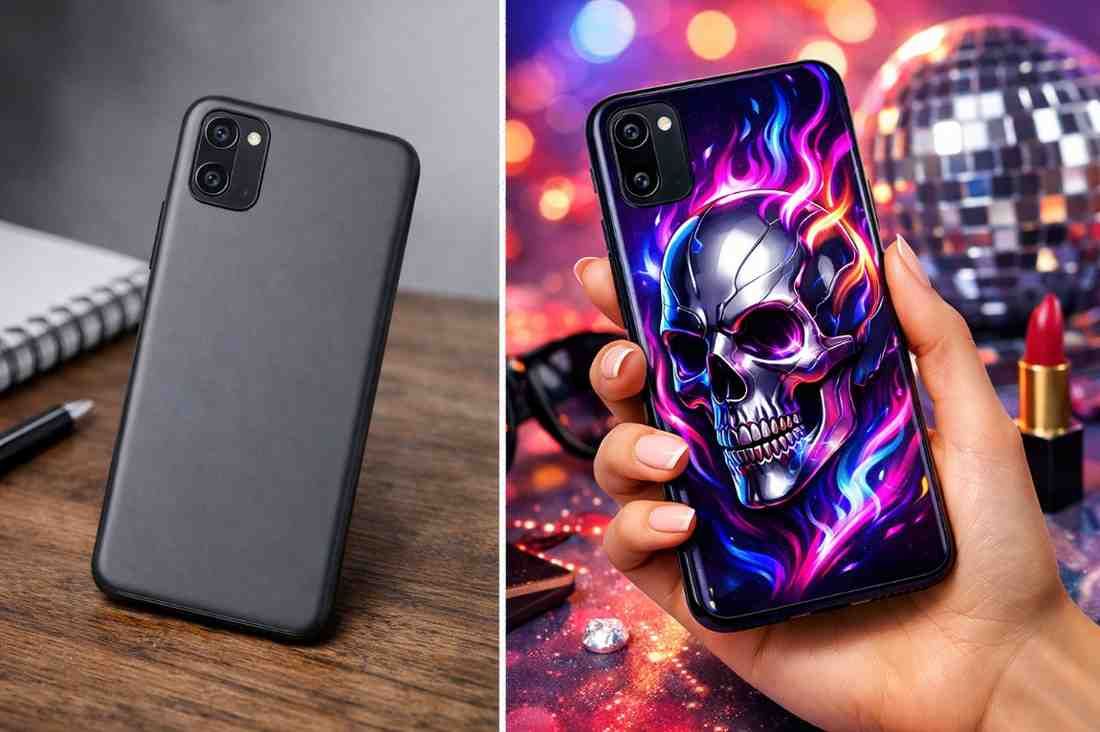
Your phone goes everywhere with you. Metro commutes, college lectures, family WhatsApp video calls, street food stalls, monsoon downpours, Diwali celebrations. It's in your hand more hours of the day than you'd probably like to admit. For most Indians, it's the single most expensive tech purchase they make, often saved for over months.So why does it look like every other phone in the room?
Most people spend weeks researching which smartphone to buy, watching YouTube reviews, comparing prices across Flipkart and Amazon, analyzing camera samples, only to leave it naked or slip it into the first ₹99 cover they find at a local mobile shop. That's like buying a Royal Enfield and covering it with a plastic sheet. Your device doesn't just deserve protection—it deserves personality.
The Indian Context: Why Cases Matter More Here
Let's be honest about how we use phones in India. Our usage patterns are different, our environments are tougher, and our devices face challenges that phones in air-conditioned offices abroad simply don't encounter.
Dust and pollution. Whether you're in Delhi's smog or Mumbai's humidity, particulate matter gets everywhere. That includes the tiny gaps around your phone's buttons, speakers, and charging ports. A quality back cover with precise cutouts and raised edges creates barriers that keep grime out.
Temperature extremes. Phones sitting in pockets during 45-degree summers in Rajasthan or exposed to unexpected rain in Kerala face thermal stress. Good cases provide insulation layers that protect internal components from temperature shocks.
Crowded spaces. Indian metros, buses, local trains, markets—everywhere is packed with people. Your phone gets bumped, jostled, and knocked constantly. Those accidental drops happen more frequently when you're squeezing into a packed auto-rickshaw or navigating through a wedding crowd.
Resale culture. Indians are smart about value. We sell our old phones to upgrade, and the secondhand market is massive. A phone in pristine condition can fetch ₹5,000-10,000 more than one with scratches and dents. That cheap cover suddenly becomes an investment that pays for itself several times over.
Display of personal style. In a market where everyone seems to own either a Samsung, Xiaomi, Realme, or iPhone, your case becomes the differentiator. It's how you stand out in college, at work, or in your friend circle.
Protection That Actually Works in Real Conditions
Let's address the elephant in the room: yes, phone cases exist primarily for protection. Drop your ₹25,000 device once on marble flooring (hello, Indian homes!) or concrete, and you'll understand why that glass sandwich needs armor.The old false choice between safety and aesthetics has dissolved. Modern back covers blend impact resistance with visual appeal, using materials engineered specifically for protection:
TPU (Thermoplastic Polyurethane): This flexible material absorbs shock brilliantly. When your phone falls, TPU compresses and distributes the impact force across the entire case rather than concentrating it at the point of contact. It's why TPU cases feel slightly rubbery but work incredibly well.
Polycarbonate: A hard plastic that resists scratches and maintains its shape. Premium cases combine polycarbonate backs with TPU bumpers—giving you rigidity where you need it and flexibility where it matters.
Military-grade materials: Some brands now offer cases tested to MIL-STD-810G standards, meaning they've survived drops from 6 feet multiple times. These aren't just marketing claims—they're actual military specifications.You can find back covers for iPhone that feature raised edges to protect the camera module while maintaining that signature Apple sleekness.
Given that iPhone camera repairs can cost upwards of ₹15,000-20,000 at authorized service centers, that ₹500-1,500 case suddenly seems like a bargain.
Camera protection has become particularly crucial. Those protruding lenses on modern smartphones are expensive to replace and vulnerable to scratches from keys, coins, or even rough table surfaces.
Quality covers now integrate raised bezels (typically 0.5-1mm higher than the camera bump) or built-in lens guards made from tempered glass or sapphire crystal.If you're using a Samsung flagship or any device with an advanced camera array, finding a Samsung back cover with proper lens protection isn't just smart—it's essential. The Galaxy S24 Ultra's camera module alone costs around ₹12,000 to replace.
A good case prevents that nightmare scenario.The same logic applies across brands dominating the Indian market. Whether you need an Oppo back cover for their Reno series known for sleek designs, are searching for a Vivo stylish cover that complements their photography-focused phones, or want Motorola covers with camera protection for their Edge series, the market has evolved to meet both protective and aesthetic needs simultaneously.
How Your Case Transforms Daily Interaction
Here's something most people don't consider: tactile experience. You touch your phone hundreds—possibly thousands—of times daily. The texture under your fingers, the grip when you pull it from your pocket or purse, the weight distribution when you're holding it for a long video call with relatives—all of this affects your relationship with the device.
A well-designed back cover enhances usability in ways you'll notice immediately:
Matte finishes resist fingerprints (crucial in our sweaty climate) and provide secure grip even when your hands are slightly damp from humidity or lotion.
Textured patterns—whether carbon fiber weaves, leather grain, or geometric ridges—add friction that prevents slips. This matters when you're taking selfies one-handed or trying to text while walking.
Slim profiles maintain the original ergonomics while adding just enough bulk (1-2mm typically) to protect vulnerable corners without making your phone feel like a brick.
Strategic button placement. Quality cases have tactile, responsive buttons that don't require excessive force. Cheap cases often have mushy buttons that make adjusting volume or taking screenshots frustrating.Some covers incorporate practical features that become indispensable once you try them:
Built-in kickstands for hands-free viewing—perfect for following cooking recipes, watching cricket matches during lunch breaks, or video chatting with family while your hands are busy.
Card slots that eliminate the need for a separate wallet. Slip in your metro card, an ID, and some emergency cash. Particularly useful for quick runs to local shops.
Magnetic compatibility for car mounts (essential if you use Google Maps for navigation) or wireless chargers (increasingly common even in mid-range phones).
Ring holders that attach to the back, letting you securely grip your phone with one finger while multitasking.These aren't gimmicks—they're thoughtful design solutions born from understanding how Indians actually use phones. We're multitaskers who juggle calls while cooking, navigate while driving, and watch content during commutes. Accessories that accommodate this reality genuinely simplify life.
The boring factory finish of a naked phone offers none of this. It's slippery (especially the glass backs on modern flagships), shows every fingerprint and smudge, attracts scratches from pocket sand and dust, and provides zero functional enhancement. Choosing the right cover transforms an expensive piece of electronics into a tool that actually works with your lifestyle.
Express Yourself in a Sea of Sameness
Unlike a tattoo or a car paint job, phone cases offer commitment-free self-expression. Feeling minimalist this month? Swap in a clear case that showcases your device's original color. Want to match your aesthetic for Holi or Diwali? Change it up in seconds.
This flexibility lets you experiment with styles you might not commit to in other areas of life. Always been curious about vibrant Rajasthani prints but not ready to redecorate your room? Your phone case can test that water. Love traditional Madhubani art but your wardrobe is all Western formals? Your device can pioneer that fusion.Different occasions might call for different cases:
Professional settings might warrant leather-textured or solid black carbon fiber covers that look sophisticated during client meetings or office presentations.
Weddings and festivals could embrace colorful patterns, traditional motifs, or even customized cases with your name in beautiful Devanagari calligraphy.
College or casual hangouts? Go wild with quirky quotes, band logos, anime characters, or whatever represents your vibe.
Travel and outdoor activities might demand rugged, armor-grade protection with reinforced corners.Your phone can match your mood, location, or activity. This isn't superficial—it's practical adaptation to a multifaceted life.
The Money-Smart Angle: Resale and Repair Economics
If you plan to upgrade eventually (and most people do—the average upgrade cycle in India is 2-3 years), keeping your phone in pristine condition matters financially.
Let's talk real numbers. A two-year-old flagship in perfect condition can sell for 55-60% of its original price.
The same phone with scratched back glass, dented corners, or cracked edges? Maybe 35-40%. On a ₹40,000 phone, that's a difference of ₹8,000-10,000. Your ₹500 case just delivered a 1600-2000% return on investment.OLX, Quikr, and Facebook Marketplace listings with "mint condition, no scratches" get responded to within hours. Damaged phones languish for weeks with lowball offers.But resale isn't the only financial consideration. Repair costs in India have skyrocketed:
- Back glass replacement: ₹3,000-8,000 depending on brand
- Frame repairs: ₹2,000-5,000
- Camera lens replacement: ₹5,000-20,000 for premium phones
- Full housing replacement: ₹8,000-15,000
Many of these repairs aren't covered under warranty because they're classified as "accidental damage." A good case prevents these expenses entirely.
Think of your case as insurance with zero premiums. You pay once upfront, and it protects you from potentially massive repair bills throughout your ownership period.
Finding Your Perfect Match in India's Diverse Market
The sheer variety available can feel overwhelming. Local mobile shops, online marketplaces, brand stores, street vendors—everyone's selling cases. Clear cases, opaque cases, patterned designs, solid colors, artistic prints, brand collaborations, eco-friendly materials, luxury options—where do you even start?
Begin with your priorities:Do you drop your phone frequently? Prioritize shock absorption, air-cushion technology in corners, and raised edges all around.
Care most about aesthetics? Look for designs that resonate with your personal style—whether that's minimalist Scandinavian, traditional Indian, modern abstract, or pop culture references.
Need extra functionality? Explore cases with built-in features like kickstands, cardholders, or battery packs.Concerned about sustainability?
Brands now offer biodegradable cases made from wheat straw, bamboo fiber, or recycled ocean plastics.
Material matters significantly:
Silicone offers excellent grip and shock absorption but can attract lint and dust (a real issue in Indian conditions). It's easy to clean, though—just wipe with a damp cloth.
Hard plastic cases maintain slim profiles but may crack under extreme impact. They're good for scratch protection but less ideal if you're clumsy.
Hybrid designs combine materials—typically a hard polycarbonate shell with TPU bumpers—for balanced protection. These are the sweet spot for most users.
Leather or vegan leather alternatives add sophistication and develop a patina over time, but require more maintenance and can absorb moisture during monsoons.
Fabric and textile cases offer unique textures and premium feel but need occasional cleaning and may not be fully waterproof.
Don't underestimate the importance of proper fit. Cases designed specifically for your model ensure:
- Precise button placement and responsiveness
- Perfect port accessibility without needing to remove the case for charging or headphones
- Exact camera cutouts that don't interfere with photo quality
- Proper speaker grille alignment so sound isn't muffled
Generic "universal" cases that claim to fit multiple models rarely deliver this refined experience. They wobble, have misaligned cutouts, or leave gaps that defeat the purpose of protection.
Where and How to Buy Smart
Online platforms like Amazon, Flipkart, and brand websites offer the widest selection and competitive prices. Read reviews carefully—look for verified purchases with photos showing long-term use, not just unboxing.
Brand stores (Apple, Samsung, OnePlus experience centers) stock official cases that guarantee perfect fit and quality, though at premium prices. The peace of mind can be worth it.
Local mobile shops let you physically feel the case before buying, which matters for texture and grip. However, selection may be limited to generic options.
Designer and Stylish Back Covers are available through platforms like Qwertycases, CoverArts, Coversgen if you want something unique or personalized.
Budget considerations: You can find decent protection starting at ₹200-300, but premium cases (₹800-2,000) offer better materials, precise engineering, and longer lifespan. For a phone worth ₹20,000+, spending 2-5% of the phone's value on protection makes financial sense.
Your Phone Is Worth the Upgrade
Here's the beautiful truth: upgrading your phone case is one of the easiest, most affordable ways to refresh your daily experience with technology. You don't need to buy a new device or commit to an expensive accessory ecosystem.
For less than what you'd spend on a weekend movie and snacks, you can completely transform how your phone looks, feels, and survives daily life. That's a remarkably high return on investment for something you interact with constantly—from the moment you check the time in the morning to the last scroll before sleep.The psychological boost matters too.
Using a device that genuinely appeals to you, that reflects who you are or aspire to be, creates tiny moments of satisfaction throughout the day. It sounds small, but these accumulate.Your phone is too important, too present in your life, too visible to others to treat like an afterthought. It deserves the same consideration you give to other personal items—your watch, your bag, your footwear.
These things matter because they're part of how you present yourself to the world.Stop settling for boring when bold is this accessible. Stop risking expensive repairs when protection is this affordable. Your device deserves better, and honestly, so do you.
